Components Installed to Work Together Properly
Custom Performance Parts Installation in Lafayette for vehicles that need modifications fitted correctly the first time
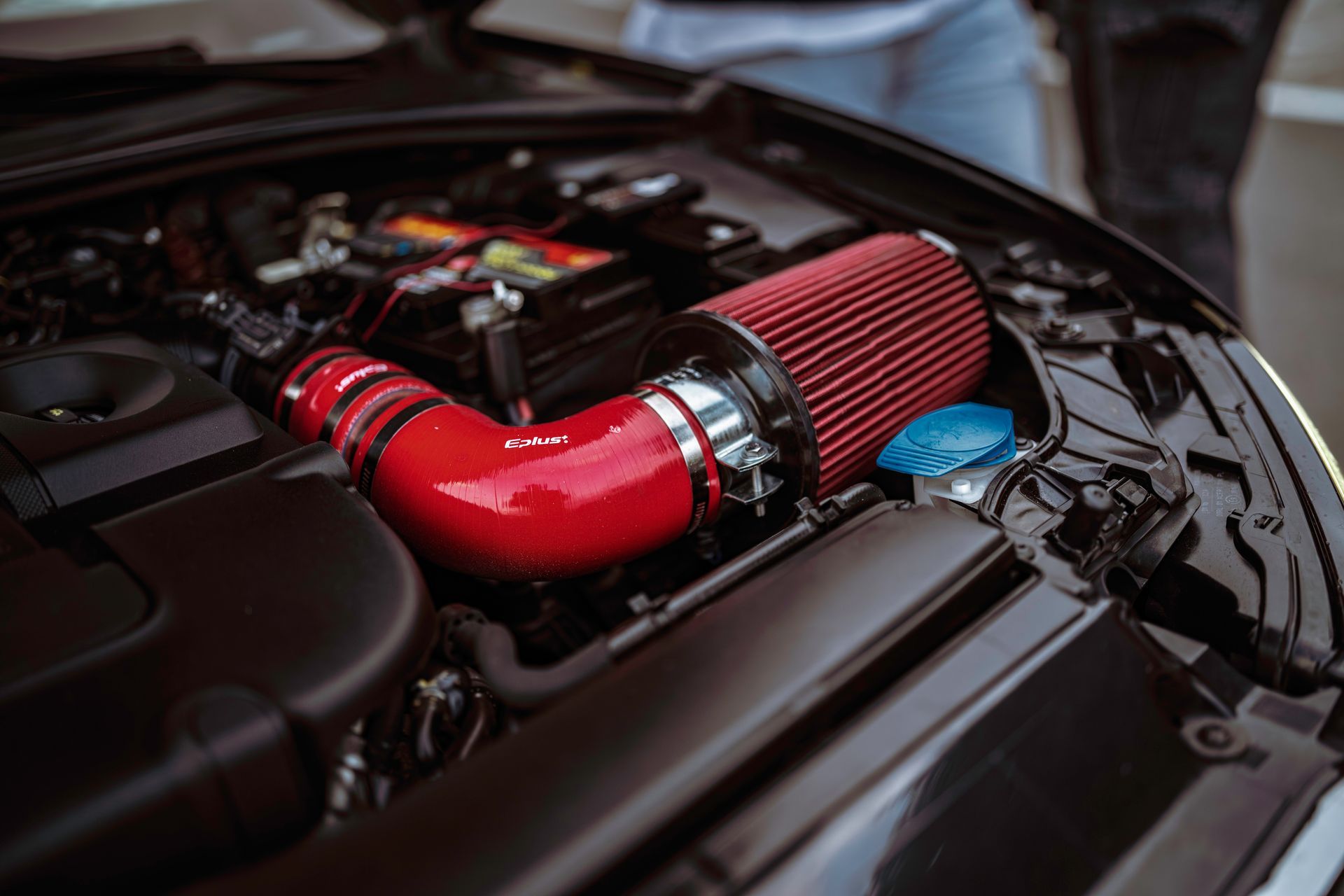
Installing aftermarket headers on a truck with factory exhaust requires cutting, welding, and repositioning oxygen sensors so the engine computer still reads air-fuel ratios correctly. Snake Pit Performance installs custom performance parts in Lafayette, handling the fitment issues and calibration adjustments that determine whether your upgrades actually produce more power or just create check engine lights. When you add cold air intakes, camshafts, superchargers, exhaust systems, or fuel system upgrades, each component changes how the others function, and proper installation accounts for those interactions instead of bolting parts on and hoping they work.
Performance parts installation involves more than following manufacturer instructions because advertised bolt-on fitment rarely accounts for variations in factory welds, frame tolerances, or existing modifications. The work includes test-fitting components before final assembly, fabricating brackets or mounts when clearances don't match, routing wiring and hoses away from heat sources, and verifying that sensors and actuators still operate within their designed range after the new parts change airflow or exhaust backpressure. Installation quality determines whether your supercharger builds consistent boost or leaks pressure, whether your headers crack from vibration, and whether your fuel pump delivers adequate volume under hard acceleration.
Request a project consultation to review which performance parts will work together and what installation challenges to expect with your specific vehicle..
How Performance Parts Change System Dynamics
Adding a camshaft with longer duration and higher lift increases airflow into the cylinders, but it also reduces cylinder pressure at low RPM and changes when the intake and exhaust valves open relative to piston position. That means your idle quality drops, your torque curve shifts to higher RPM, and your engine computer needs recalibration to inject the right amount of fuel for the new valve timing. Similarly, installing larger fuel injectors without adjusting injector pulse width results in an overly rich mixture that fouls spark plugs and builds carbon deposits, while a cold air intake that flows more volume than your engine can use just pulls in hot underhood air instead of cooler outside air.
After installation, you notice immediate throttle response changes, different exhaust tone, altered shift behavior if transmission tuning was involved, and either smoother power delivery or rougher idle depending on how aggressive the parts are. Your vehicle performs the way the parts were designed to when everything is installed with proper clearances, tight connections, and calibration adjustments that match the new airflow and fuel requirements.
Some performance builds require supporting modifications before primary upgrades can be installed safely—upgraded fuel pumps before higher boost levels, better cooling systems before sustained high-RPM use, stronger clutches before increased torque output. Snake Pit Performance evaluates whether your current drivetrain and chassis components can handle the additional stress from planned upgrades and recommends sequencing installations to avoid failures. The shop works with both catalog performance parts and custom-fabricated components depending on project goals and budget constraints..
Common Questions About Performance Installations
Truck and car owners planning modifications in Lafayette typically want clarity on installation scope and requirements before starting projects.
- What determines whether parts install as true bolt-ons or require fabrication? Manufacturer fitment guarantees apply to stock vehicles in perfect condition, but real-world installations often encounter misaligned mounts, interference with existing components, or clearance issues that require trimming, welding, or custom brackets to resolve.
- How does parts quality affect installation difficulty and long-term reliability? Premium components typically include better hardware, precise tolerances, and comprehensive instructions, while budget parts often arrive with missing gaskets, incorrect fasteners, or dimensions that require modification to fit properly.
- Why do some upgrades require complementary parts to function correctly? A high-flow throttle body needs a matching intake manifold to utilize the additional airflow, forced induction systems require upgraded fuel pumps and injectors to supply enough fuel for the added boost, and increased horsepower often demands stronger axles or driveshafts to handle the torque without breaking.
- When should I plan for tuning after performance parts installation? Any modification that changes airflow, fuel delivery, ignition timing requirements, or exhaust flow needs calibration adjustments to run safely and efficiently, especially forced induction upgrades, camshaft swaps, and head or intake manifold changes.
- What preparation work makes installation go more smoothly? Cleaning mounting surfaces, inspecting for existing damage or wear that should be addressed during disassembly, and having replacement gaskets and fluids on hand prevents delays when components don't come apart cleanly or when reassembly reveals additional issues.
Snake Pit Performance handles installations ranging from single-component upgrades to complete engine builds, with fabrication capabilities for custom projects that go beyond off-the-shelf parts. Bring your vehicle and parts list in for an assessment that identifies what the installation will actually involve and what results you can expect once everything is fitted and calibrated.